From Couch to Cloud: Is Cloud Gaming Finally Ready to Replace Consoles?
For decades, the gaming experience was tethered to the physical—bulky consoles, spinning discs, and cartridges. But as streaming transformed music and movies, it was only a matter of time before gaming moved to the cloud. In 2025, with major players like Microsoft, NVIDIA, Sony, and Amazon pouring billions into infrastructure and game libraries, the question has become unavoidable:
Is cloud gaming finally ready to replace traditional consoles?
The Cloud Gaming Concept Explained
Cloud gaming, also called game streaming, allows players to run games on remote servers rather than their own hardware. Much like Netflix, the visuals are streamed to the user’s screen while the actual game runs elsewhere. That means no downloads, no updates, and no expensive consoles.
Players can access AAA games instantly on TVs, smartphones, laptops, and even browsers, with minimal hardware requirements.
Key advantages:
- Instant access to large game libraries
- No need for powerful hardware
- Seamless cross-device gaming
- Lower upfront costs
The 2025 Cloud Gaming Landscape
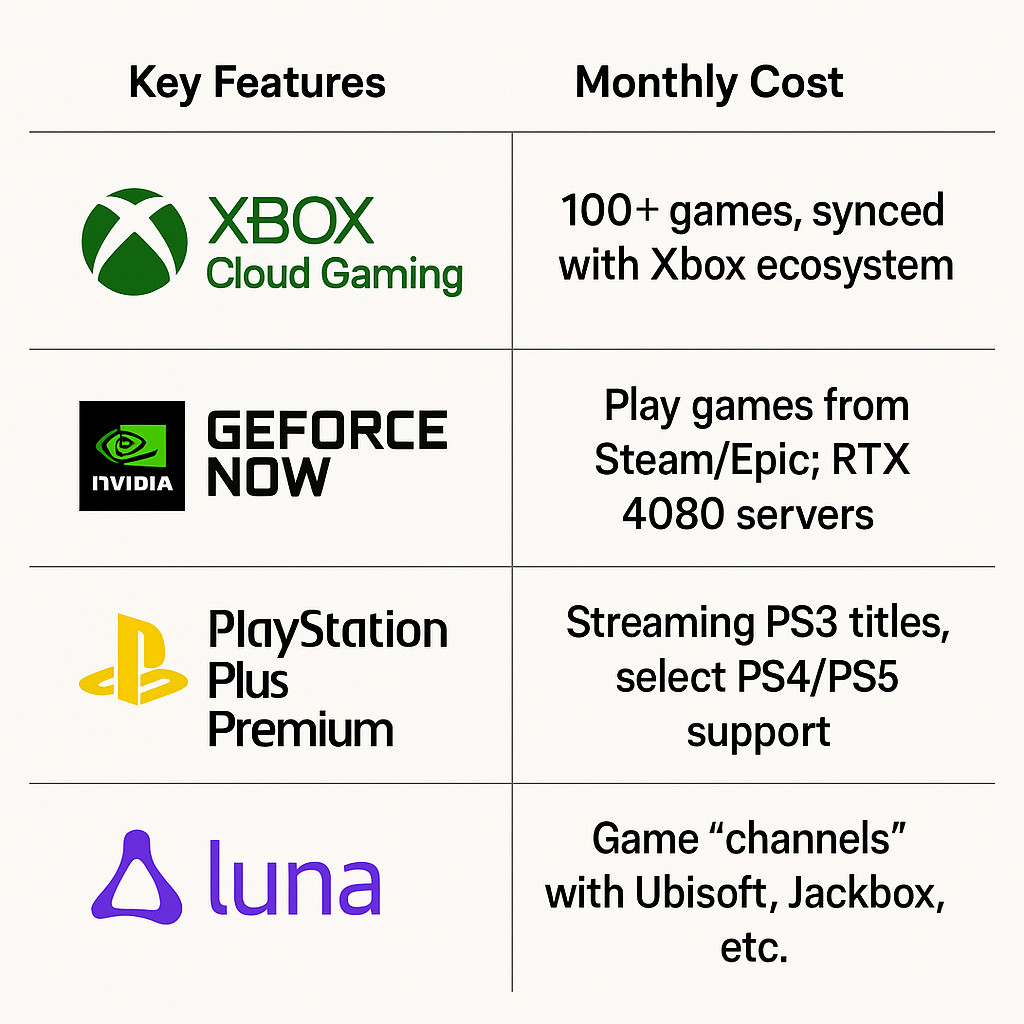
Today, the cloud gaming industry is more robust than ever, backed by tech giants and well-integrated into popular services. Here’s a quick overview of the major platforms:
| Platform | Key Features | Monthly Cost (approx.) |
|---|---|---|
| Xbox Cloud Gaming (Game Pass Ultimate) | 100+ games, synced with Xbox ecosystem | $16.99 |
| GeForce NOW (NVIDIA) | Play games from Steam/Epic; RTX 4080 servers | Free to $19.99 |
| PlayStation Plus Premium | Streaming PS3 titles, select PS4/PS5 support | $17.99 |
| Amazon Luna | Game “channels” with Ubisoft, Jackbox, etc. | $9.99 |
| Boosteroid / Shadow PC | PC-in-the-cloud model | $9.89–$29.99 |
The Technology Catching Up
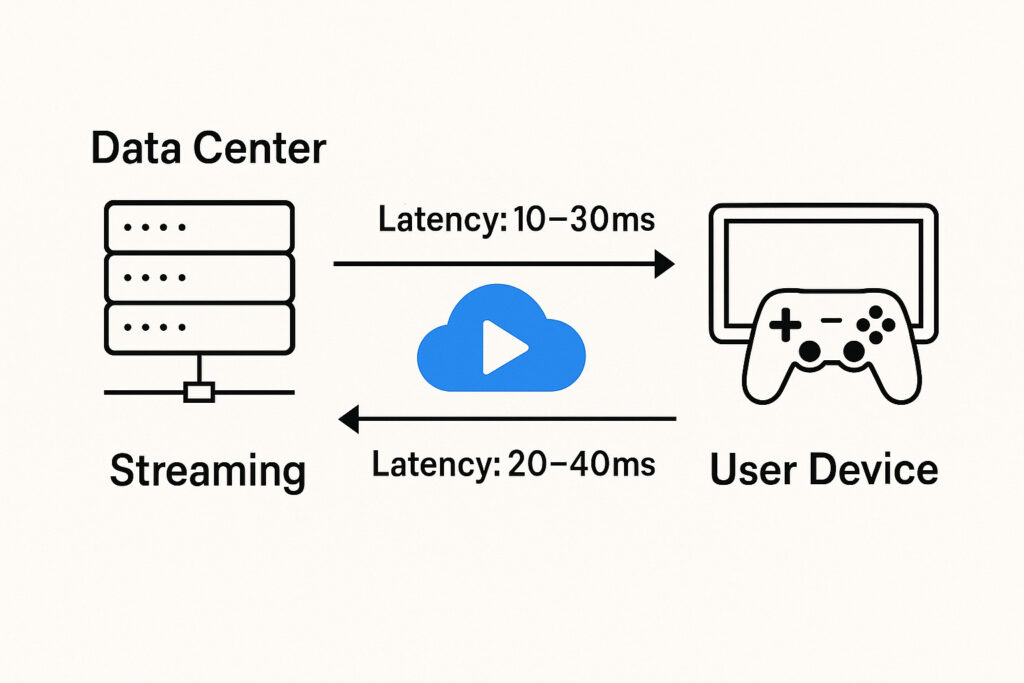
The biggest roadblock in early cloud gaming was latency—the delay between a player’s input and what happens on screen. But things have changed.
- Microsoft Azure, Google Cloud, and Amazon Web Services now host thousands of data centers worldwide, reducing the physical distance between user and server.
- NVIDIA’s GeForce NOW Ultimate tier delivers 240 fps streaming at sub-40ms latency.
- 5G and Wi-Fi 6E are widespread in urban areas, dramatically improving stability.
As of 2025, studies by Ookla and CloudWars show median input latency for premium cloud services is often below 50ms, rivaling local console performance.
Console vs Cloud: The Real Trade-Offs
Despite technological leaps, cloud gaming isn’t without its downsides. Here’s a fair side-by-side comparison:
| Feature | Cloud Gaming | Console Gaming |
|---|---|---|
| Initial Cost | Low / subscription-based | High upfront ($300–$500+) |
| Game Access | Wide catalog via subscription | Purchased titles |
| Latency | Improving but variable | Minimal |
| Internet Dependence | Always required | Not necessary for local play |
| Graphics Fidelity | Capped by bitrate (~45 Mbps max) | Full native 4K & 120fps |
| Ownership | No true ownership | Full game licenses |
Verdict:
Cloud gaming is convenient and cost-effective, but traditional consoles still offer superior control, quality, and reliability—especially in regions with limited internet infrastructure.
Gamers’ Response: Adoption and Retention
According to a 2025 Statista report, cloud gaming has reached 45 million monthly active users globally, nearly doubling from 2023. However, console sales also remain strong—PS5 and Xbox Series X|S still shipped over 20 million units combined last year.
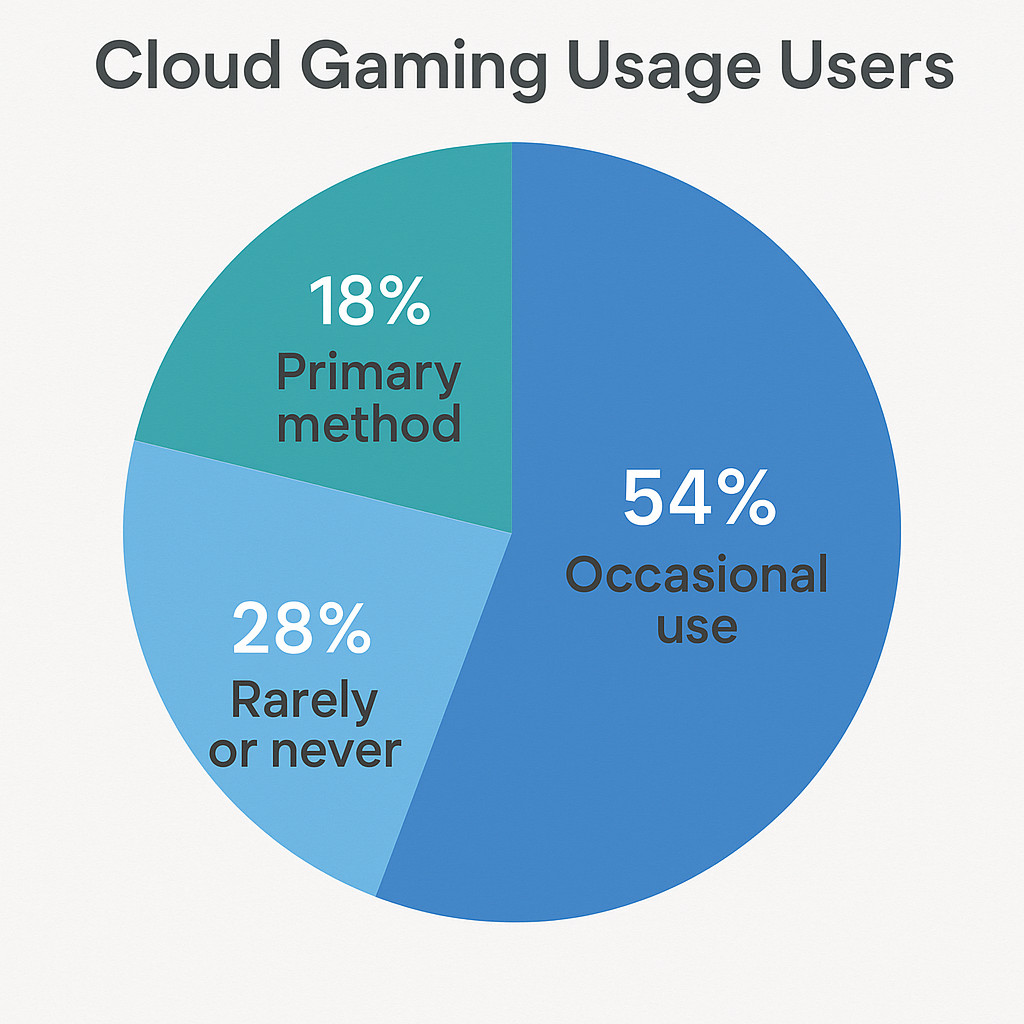
A survey by IGN found that 52% of respondents use cloud gaming occasionally, but only 18% rely on it as their primary gaming method.
Reasons include:
- Input lag on competitive titles
- Concerns about game ownership and preservation
- Comfort and reliability of physical consoles
Where It Excels Today
While it may not fully replace consoles for all users, cloud gaming is perfect for:
- Casual gamers wanting to avoid large downloads
- Mobile-first users playing on tablets or phones
- Gamers on the go who travel or move between devices
- Subscription-heavy players who prefer playing through libraries like Game Pass or Luna
And it’s not just about convenience—developers are starting to design games specifically for the cloud, optimizing controls, UI, and experiences that would be awkward on a console.
The Console’s Evolving Role
Rather than killing consoles, cloud gaming is changing what they are. The Xbox Series X, for example, supports direct-to-cloud streaming for many titles, and the rumored PlayStation Q-Lite (handheld streaming device) is built for this very model.
Future consoles may become more like “local streaming hubs”—less powerful, more affordable, and fully integrated with cloud ecosystems.
The Verdict: Not Yet, But Closer Than Ever
In 2025, cloud gaming isn’t ready to fully replace consoles—but it’s not far off. With fast-growing infrastructure, rising adoption, and improved user experience, it’s becoming a viable alternative for many players, especially those seeking flexibility over fidelity.
What will ultimately decide the future?
- Continued improvements in infrastructure
- Publisher support and exclusive titles
- Consumer trust in game ownership models
- Broader access to high-speed internet
Final Thoughts
Whether you’re a die-hard console enthusiast or a casual mobile gamer, cloud gaming is reshaping how we access and think about games. It might not be a full replacement—yet—but it’s absolutely part of the future.
So next time you’re downloading a 100 GB patch on your PS5, consider this:
What if the cloud could’ve let you play 10 seconds ago?


Post Comment